Whole House Surge Protection Maintenance: Keeping Your Home Devices Safe
Lloyd's • October 20, 2026
With technology woven into every part of our homes—from smart TVs and laptops to fridges and HVAC systems—few things are as disruptive or costly as power surges. Lloyd’s regularly hears from homeowners in Woodstock asking how to keep sensitive electronics from sudden, damaging voltage spikes. While installing a whole house surge protector is a smart first step, keeping it working right involves more than a one-time setup.
Surge protection maintenance is about getting continuous, reliable defence against everything from lightning strikes to surges triggered by large appliances cycling on and off. Here’s what you need to know to ensure your investment continues safeguarding your home’s most valuable equipment.
What We Cover:
- Why Surge Protection Needs Maintenance
- Seasonal and Routine Surge Protector Checklists
- Warning Signs Your Surge Protector Needs Attention
- Common Maintenance Mistakes to Avoid
- Frequently Asked Questions
Why Surge Protection Needs Maintenance
Many homeowners mistakenly believe that once a surge protector is installed, it’s a “set and forget” system. In reality, whole house units can lose effectiveness over time due to wear from repeated small surges or damage from a single big event. This is especially true in southern Ontario, where severe weather and power grid fluctuations are not uncommon.
From a professional standpoint: Regular checks ensure the system’s internal components are still able to dissipate surges—otherwise you might not know it’s stopped working until after your equipment is damaged.
Seasonal and Routine Surge Protector Checklists
Like any key home system, maintenance should be scheduled at least once a year—or after major storms and outages. Here’s what to include in your routine:
- Inspect the surge protector’s indicator lights, which should always show “protected” status—if not, it’s time for a replacement.
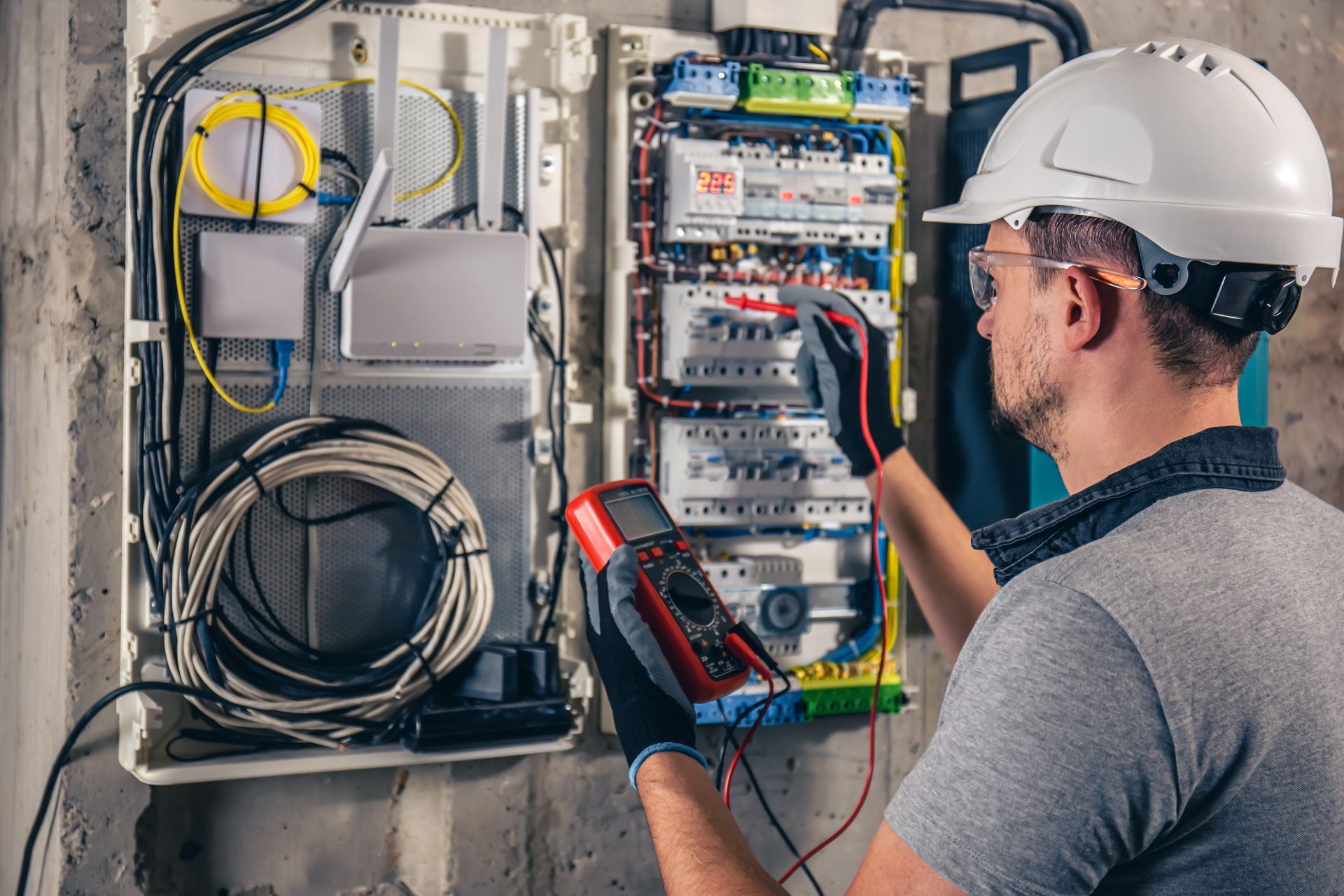
- Test all protected circuits by briefly switching breakers to confirm device operation after reconnection.
- Ensure the protector’s ground connection is clean, tight, and free of corrosion—many false failures and missed surges come from poor grounding.
- Review all connected high-load appliances and circuits for any recent upgrades or changes in use.
A quick tip to remember: Document the date of your last inspection and any unusual storm events. If you’re unsure, a professional electrican from Lloyd’s can confirm if your setup is giving safe, full-home protection.
Warning Signs Your Surge Protector Needs Attention
Surge protectors are designed to sacrifice themselves gradually, absorbing excess voltage so your devices don’t have to. Over time, the units wear down internally and become less effective—sometimes with no obvious symptoms. Look for these signs:
- Any indicator light that won’t turn on or flickers.
- Odd electrical behaviour in the house (flickering lights, tripped breakers).
- Visible burn marks, a burnt smell, or physical damage at the surge protector location.
► Neglected surge protectors provide a false sense of safety. If in doubt, always err on the side of caution and have it checked by a pro.
Common Maintenance Mistakes to Avoid
The most frequent missteps we see as electrical contractors in Woodstock include:
- Never checking indicators or ignoring warning lights.
- Assuming single-use protectors are fine after a major surge event—when in fact, many should be replaced immediately.
- Not updating protection when adding new high-end electronics or home systems.
Skipping these maintenance steps can leave your devices—or even your wiring—open to costly, preventable damage.
Frequently Asked Questions
How often do whole house surge protectors need replacing?
With normal use, most units should be checked annually and replaced every five to ten years. However, after any significant surge event or if the indicator light goes out, you should replace it immediately.
Can I tell if my protector is working without opening anything up?
Look for a green or “protected” light on the device—if it’s missing or red, call a professional. The lack of visible damage doesn’t mean the unit is still effective after a big surge.
Is it safe to add more plug-in power bars on a protected circuit?
Yes, but remember plug-in surge strips are not a substitute for true whole-house protection. Always avoid overloading any outlet, and ensure any bar you use is also rated for surge protection.
Keep Your Protection Reliable Year After Year
Continual surge protection is key to protecting your family’s technology and comfort, not just during storms but every single day. Make surge protector checks part of your home’s annual routine, and partner with the experts at Lloyd’s if you ever have doubts about your system’s safety. Investing a small effort now can prevent large, unexpected losses later. Stay vigilant, and enjoy peace of mind, no matter what powers up next. Contact us!
Share This Blog