Why Is My AC Freezing Up During the Peak July Heatwave in Ontario?
Lloyd's • July 7, 2026
July heatwaves in Southern Ontario put an immense strain on your home cooling system. Just when you need your central air conditioner to work at its absolute best, discovering a thick layer of ice forming on the coils or refrigerant lines can be incredibly alarming for any Woodstock homeowner.
While it might seem contradictory to see ice on a machine during the hottest days of the year, a frozen air conditioner is a serious malfunction that requires immediate attention. At Lloyd's, we have spent decades diagnosing and resolving these mid-summer emergencies, and we are here to help you understand why this happens and how our emergency AC repair services can restore your home comfort.
Why Is My AC Freezing Up in Summer?
This is one of the most common questions our emergency dispatch team receives every July. The refrigeration cycle relies on a delicate balance of pressure, temperature, and airflow. Your air conditioner does not actually create cold air; rather, it absorbs heat from the indoor air and pumps it outside.
When the evaporator coil inside your HVAC system gets too cold, the natural condensation that forms on it freezes instead of dripping away. This ice buildup acts as an insulator, further blocking heat transfer and causing the entire system to freeze solid.
Common Culprits Behind a Frozen Air Conditioner
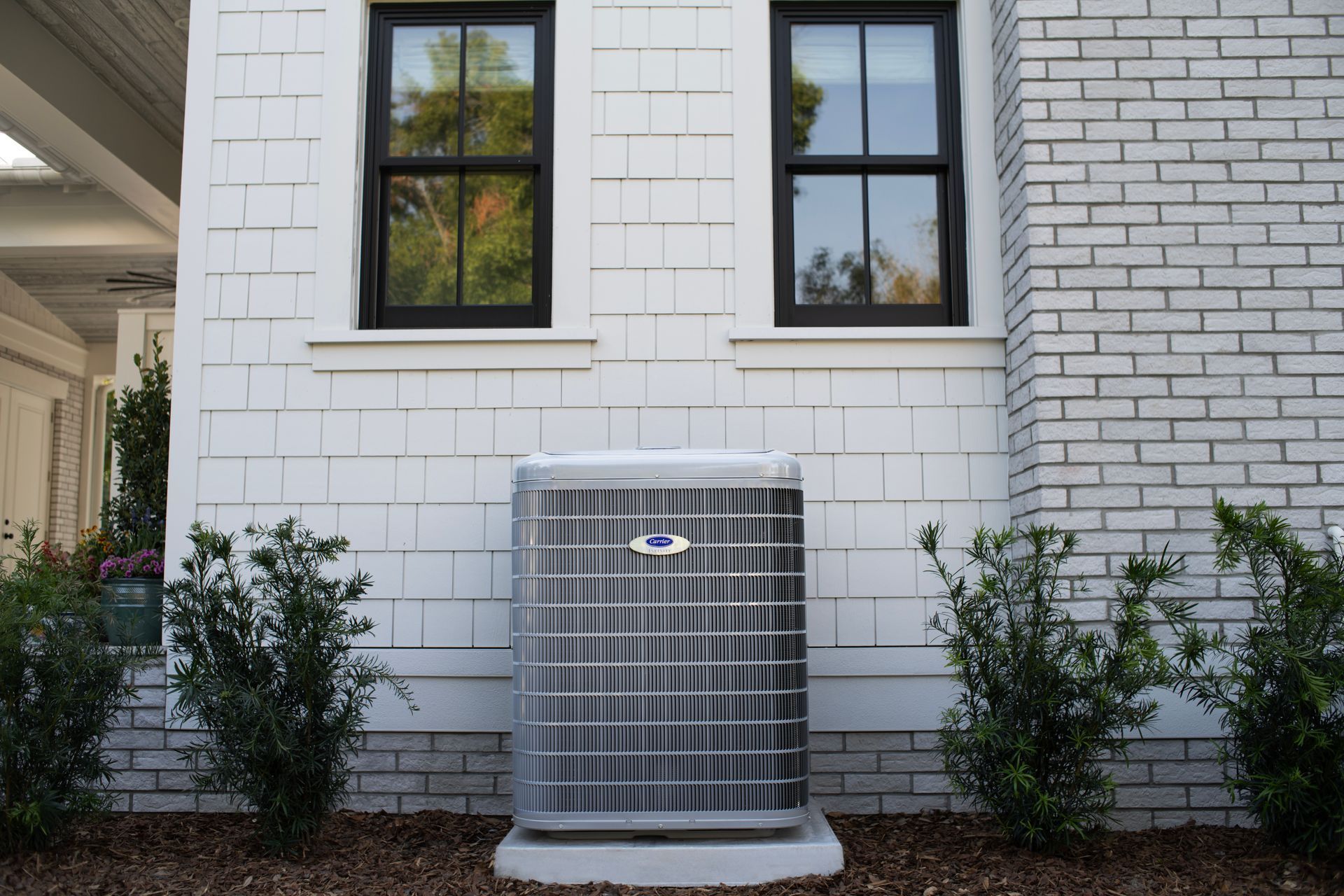
Understanding the root cause of the freezing is the first step toward a permanent solution. There are several primary reasons why your Carrier air conditioner might turn into a block of ice during a heatwave.
- Restricted Airflow: If warm indoor air cannot blow across the evaporator coil efficiently, the refrigerant inside stays too cold, causing ambient moisture to freeze.
- Dirty Air Filters: A severely clogged air filter is the number one cause of restricted airflow, suffocating your system and leading to rapid ice formation.
- Low Refrigerant Levels: If your system has a refrigerant leak, the pressure drops, which ironically causes the temperature of the remaining refrigerant to plummet below freezing.
- Blocked Condensate Drain: If the moisture your AC extracts from the air cannot drain properly, it backs up and freezes right onto the internal components.
- Faulty Blower Motor: If the internal fan fails to push air through the ductwork, the cold stays trapped at the coil, triggering a freeze.
Steps to Take When You Discover Ice
If you notice ice on your indoor coil, your outdoor compressor unit, or the copper lines connecting them, you must act quickly to prevent permanent damage to the compressor.
Follow these critical steps before our NATE-certified technicians arrive at your home:
- Turn the thermostat from cool to off immediately to stop the compressor from running and prevent the motor from burning out.
- Switch the fan setting from auto to on, which forces warm indoor air over the frozen coil to help it thaw safely.
- Check your air filter and replace it immediately if it is clogged with dust, pet hair, or debris.
- Do not attempt to chip the ice away with sharp objects, as this will puncture the delicate refrigerant lines and cause a massive, expensive leak.
- Place towels around the indoor unit to catch the melting ice water so it does not damage your floors or drywall.
Trust Lloyd's for Emergency AC Repairs
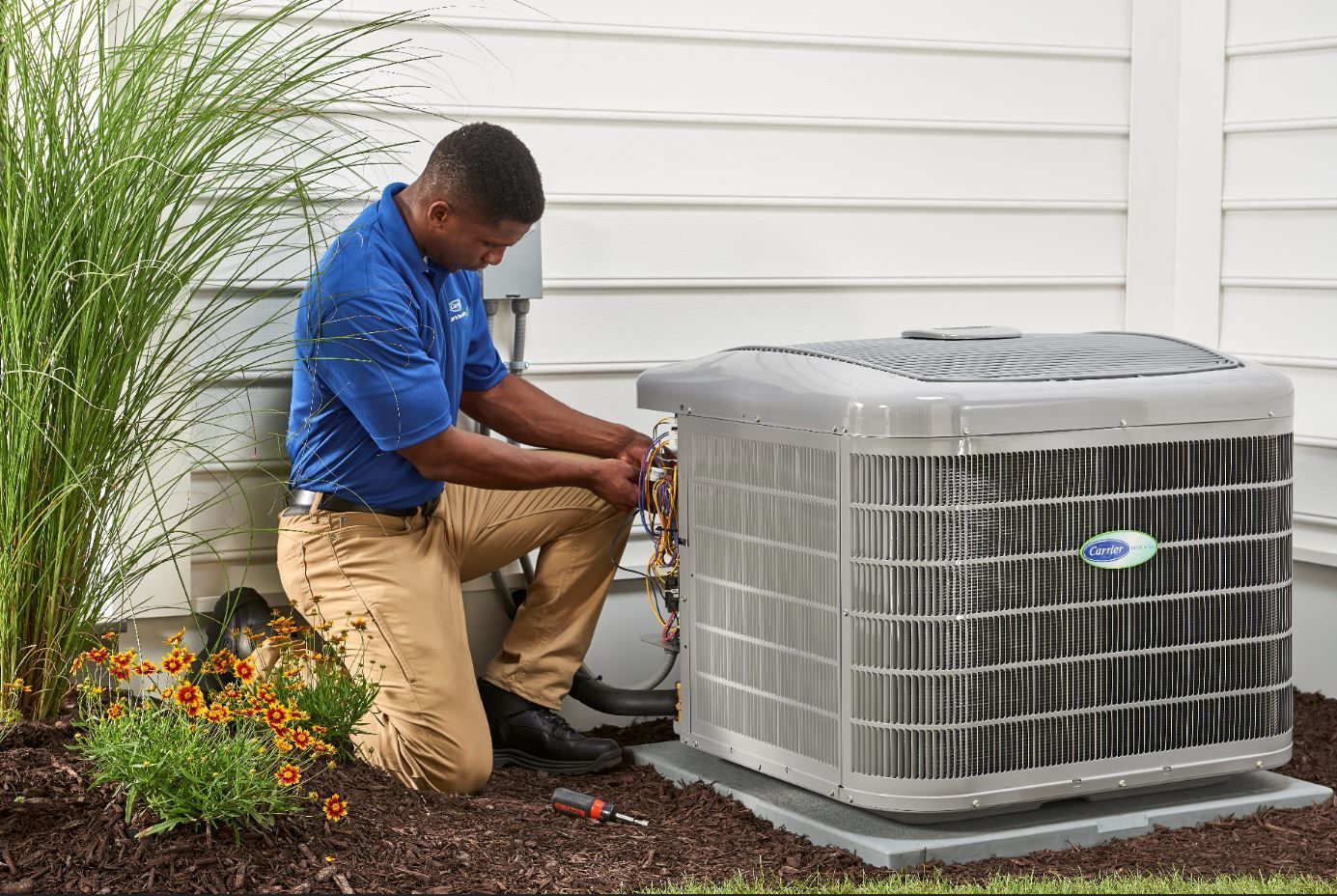
Dealing with a frozen air conditioner during a sweltering London or Stratford heatwave is frustrating, but our expert HVAC team is ready to respond. As a Carrier Factory Authorized Dealer, our NATE-certified professionals have the technical expertise to locate refrigerant leaks, repair blower motors, and perform comprehensive system diagnostics. We proudly serve homeowners across a 100-kilometer radius of our Woodstock base.
Do not let a frozen air conditioner ruin your summer comfort. If your AC is struggling to keep up with the July heat, shut it down and contact the trusted professionals at Lloyd's right away. Call us to schedule your emergency AC repair and let our family restore your cooling system swiftly and safely.
Share This Blog