Signs Your Air Conditioner Needs Repair (And When to Replace It)
Lloyd's • May 19, 2025
With summer just around the corner, ensuring your air conditioner is in peak condition is essential for maintaining a comfortable living space. Like any appliance, air conditioners are susceptible to wear and tear over time, which can lead to decreased performance and increased energy costs. Recognizing the signs that your air conditioner needs repair or possibly replacement can help you act swiftly and avoid costly disruptions to your comfort. This guide will help you identify the indicators of a malfunctioning air conditioner and make informed decisions about whether to repair or replace your unit.
Signs Your AC Needs Repair
Insufficient Cooling
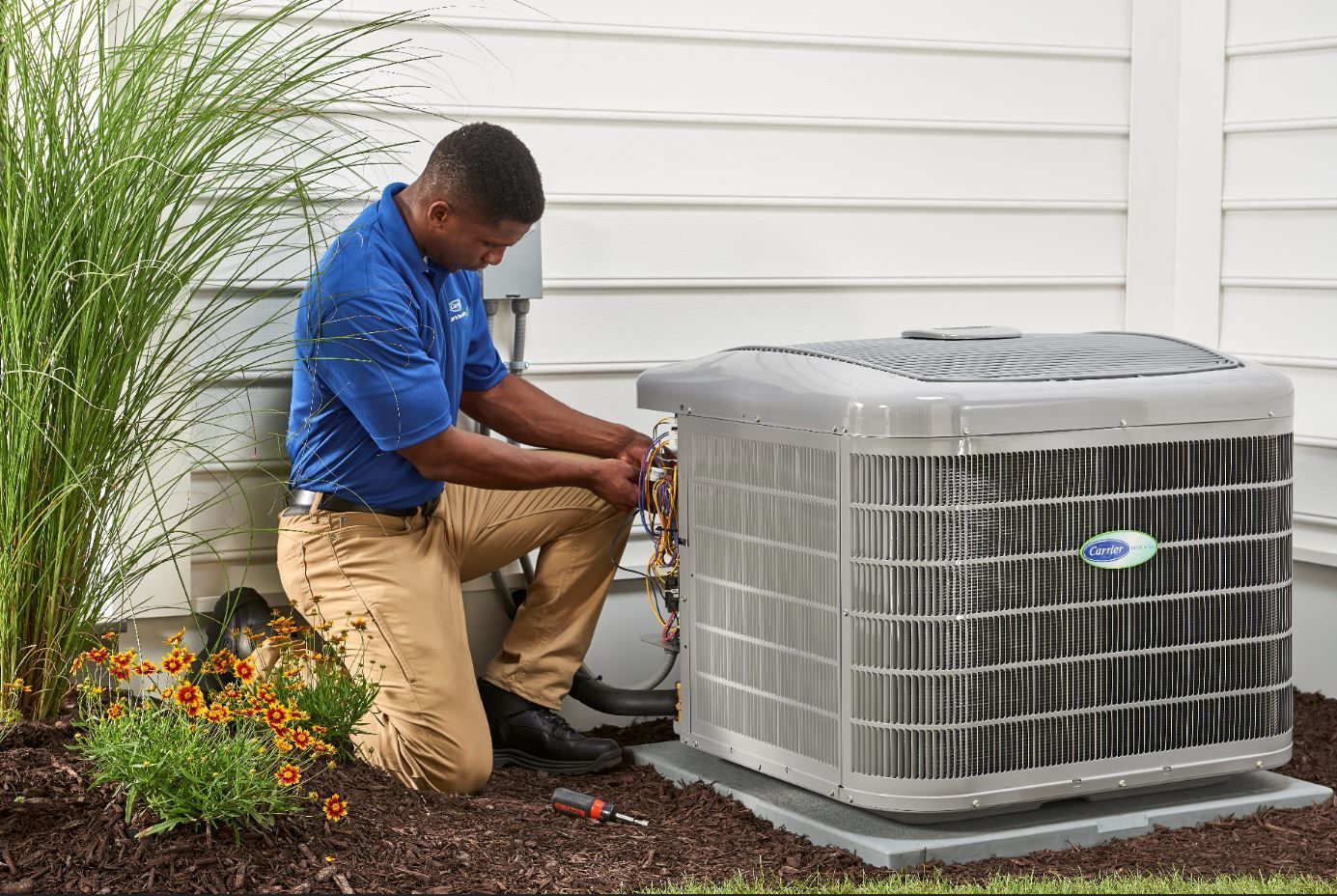
One of the most common signs your air conditioner may need repair is when it isn’t cooling your home adequately. If you've noticed your home isn't as cool as it used to be, it might be time to perform some air conditioner troubleshooting. Several issues could lead to inadequate cooling. Low refrigerant levels, often due to leaks, can significantly impair your unit’s cooling ability and require professional attention to resolve. Additionally, clogged filters or blocked vents might restrict airflow, preventing the system from performing efficiently. Regular maintenance services, like those offered by Lloyd’s, ensure your HVAC system remains in optimal condition, reducing the likelihood of such issues.
Strange Noises
Another red flag indicating your AC might need attention is the presence of strange noises. Unusual sounds such as grinding, squealing, or clunking can signal issues ranging from a malfunctioning fan motor to loose or damaged parts within the unit. Such noises should not be ignored, as they often hint at larger underlying problems that may worsen if left unchecked. Promptly addressing these noises through professional air conditioner repair services can prevent minor issues from escalating into more significant, costly repairs.
Increased Energy Bills
An unexpected rise in your energy bills can be a clear sign that your air conditioner is not operating efficiently. If your unit consumes excessive energy to maintain set temperatures, it's time to investigate possible causes. This inefficiency may stem from various problems, including a failing compressor, a malfunctioning thermostat, or dirty coils. Tackling these issues as soon as they arise can help reduce energy consumption and lower utility costs. Regular HVAC troubleshooting and maintenance can detect these problems early, preventing further damage and ensuring your system runs smoothly.
Frequent Cycling
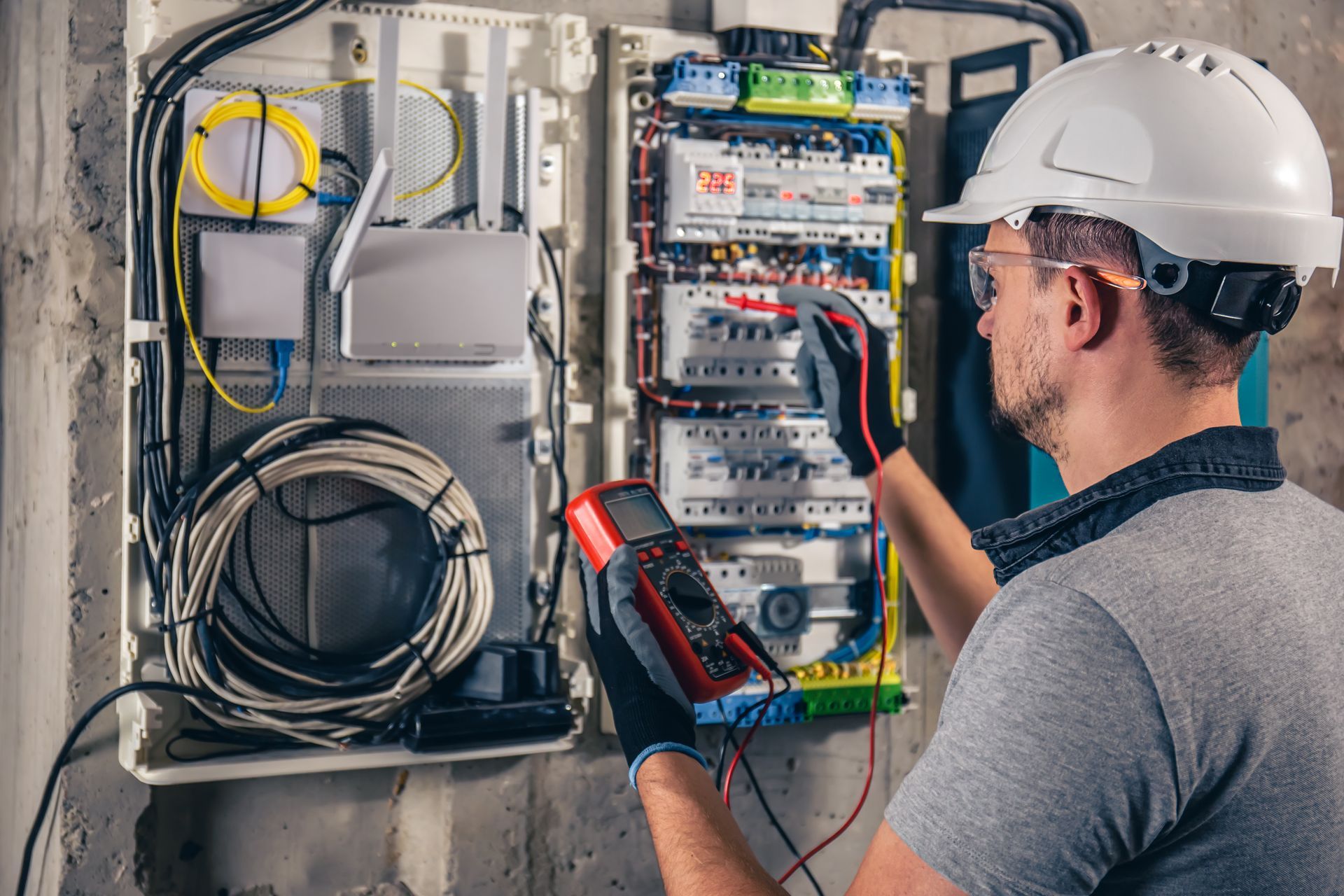
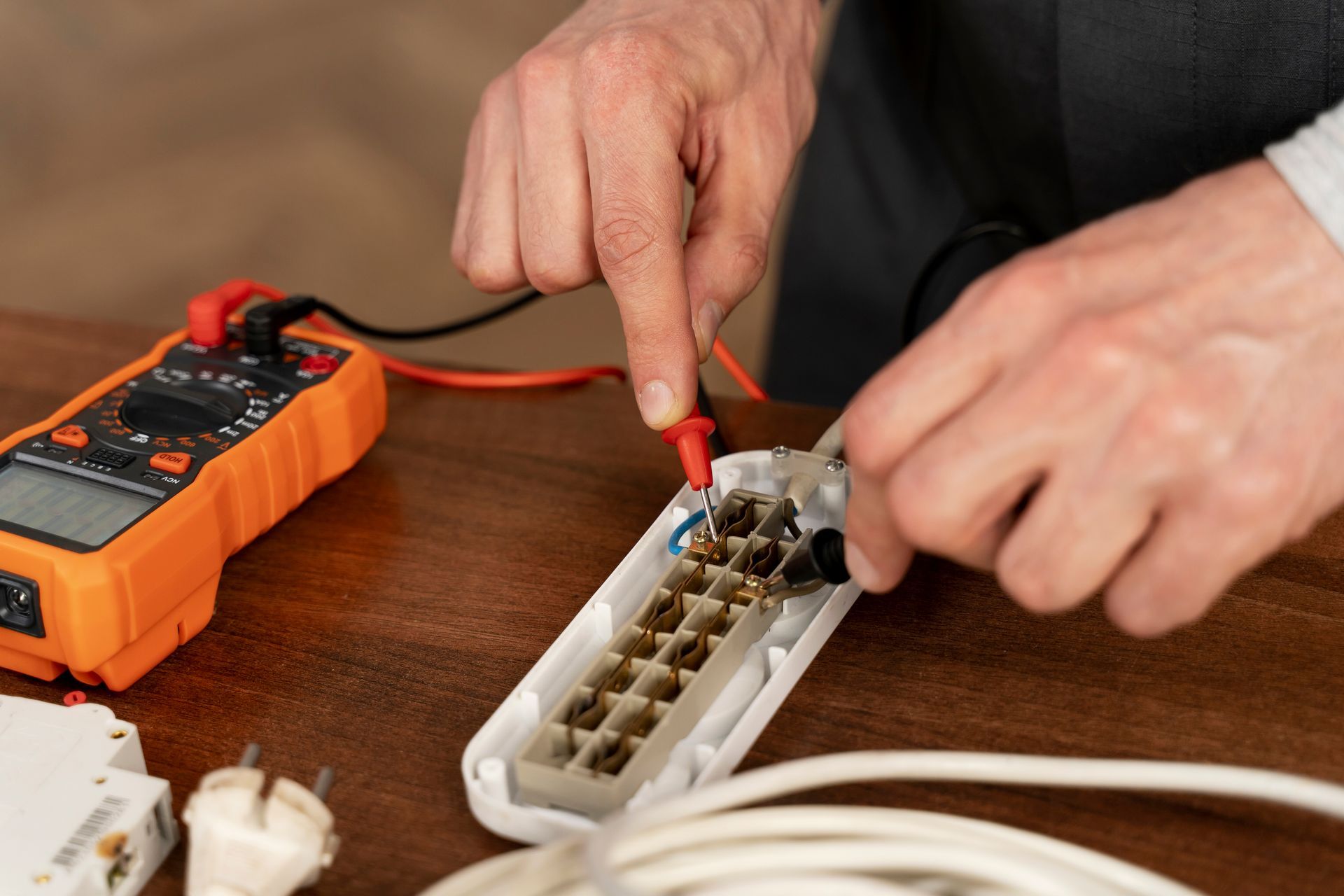
Frequent cycling, where the AC repeatedly turns on and off, is another indicator of potential problems. This behavior could result from an oversized unit, a faulty thermostat, or even electrical issues. Not only does frequent cycling strain the system, but it also leads to inefficient temperature control and increased energy usage. Emergency AC services are crucial in these situations to quickly identify and rectify the problem, restoring your unit's functionality and efficiency.
Moisture or Leakage Around the Unit
The presence of moisture or leakage around your air conditioning unit is another sign that it may require repair. While some condensation is normal, excessive moisture might indicate a more serious issue, such as a refrigerant leak or a blocked drain tube. These problems can lead to further complications if not addressed promptly, including water damage and decreased system efficiency. Having a professional inspection and repair any leaks can help maintain your system's performance and safety.
When to Consider Replacing Your AC
While many air conditioning issues can be resolved through efficient repairs, there are instances where replacing the unit altogether is a more cost-effective and beneficial choice. One of the primary factors in deciding to replace your air conditioner is its age. On average, air conditioning units have a lifespan of about 10 to 15 years. If your AC is older than this and experiences frequent breakdowns, it might be more economical to invest in a new system rather than continually paying for repairs. Older models also lack the energy efficiency of newer units, which can result in higher operating costs over time.
Moreover, if the repair costs exceed half the price of a new system, replacement often becomes the more practical option. Newer models come equipped with advanced energy-efficient technologies that can significantly lower your energy bills while providing improved comfort and reliability. Consulting with a professional can offer valuable insights into whether it makes more sense to repair or replace your air conditioner, considering long-term benefits and cost savings.
Making the Right Decision for Your Home
If you’re experiencing any of these issues, consulting with a local HVAC expert like Lloyd’s is a prudent step. We specialize in a range of services from air conditioner repair to emergency AC services, ensuring that residents in Woodstock, Ontario, and the surrounding areas receive the highest quality HVAC care. Our team is dedicated to providing reliable and efficient solutions tailored to your specific needs, ensuring your home remains a cool and welcoming environment. By being proactive in addressing air conditioning problems, you can ensure a comfortable, energy-efficient home environment throughout the hot summer months. Contact us today!
Share This Blog